The Evolution of Game Server Hosting
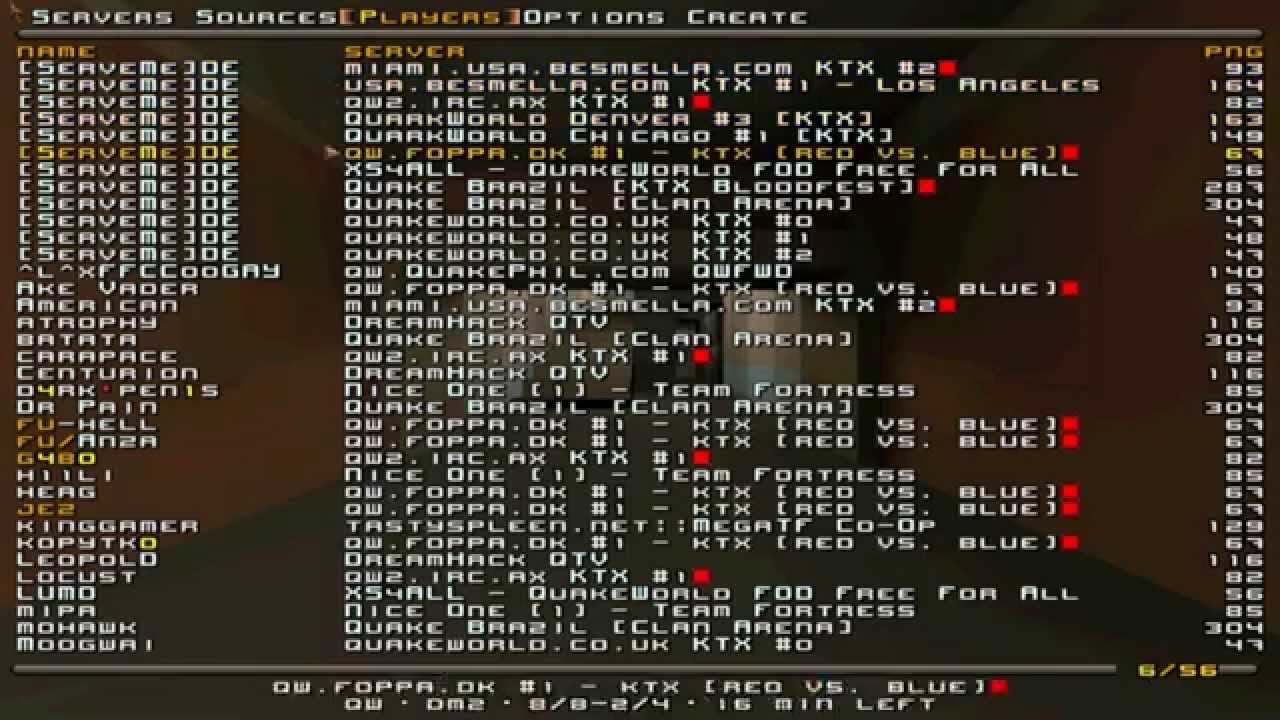
The origins of dedicated game server hosting trace back to the late 1990s and early 2000s, when multiplayer gaming began transitioning from peer-to-peer connections to centralized server infrastructure. Early titles like Quake (1996) and Counter-Strike (1999) pioneered the concept of dedicated servers, allowing players to host persistent game worlds independent of individual player connections. According to the Game Developers Conference archives, this shift was driven by the need for fairer gameplay, reduced latency, and the ability to maintain game states even when hosts went offline. As broadband internet became more accessible in the mid-2000s, commercial hosting services emerged, making server administration more accessible to non-technical users.
The modern era of game server hosting saw significant transformation with the rise of sandbox games like Minecraft (2011), which democratized server creation for millions of players. Community-driven hosting solutions and open-source server software enabled individuals to run their own servers without expensive commercial subscriptions. Industry reports from PC Gamer and Steam's developer documentation indicate that by 2020, over 50% of multiplayer game sessions occurred on community-hosted servers rather than official infrastructure. This trend continues today, with platforms like GPORTAL, Shockbyte, and self-hosted solutions empowering gamers to build custom communities while maintaining full control over their gaming environments.